
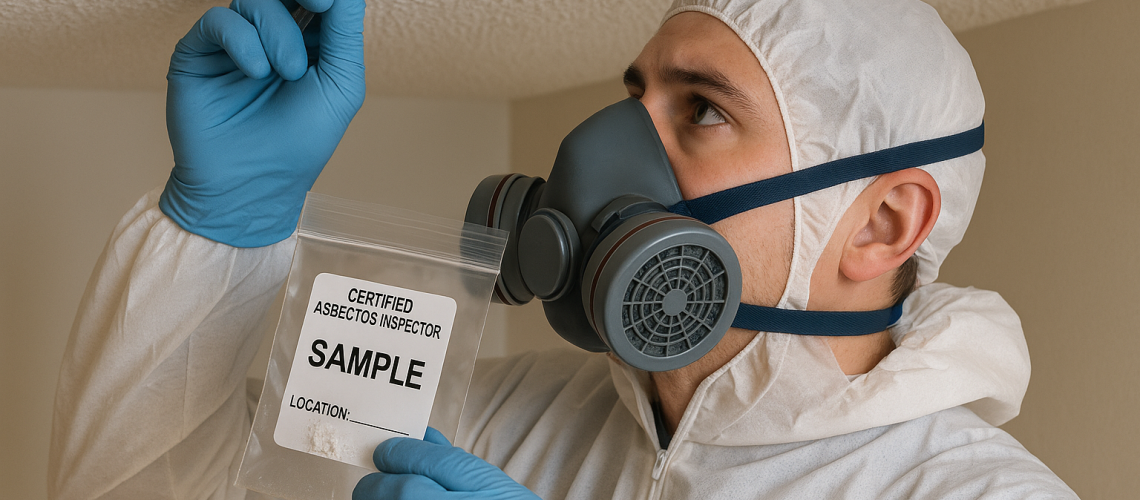
Does Popcorn Ceiling Contain Asbestos? What Homeowners Must Know Before Scraping
TL;DR
- Many popcorn (acoustic) ceilings installed before the mid-1980s can contain asbestos.
- You cannot confirm asbestos by sight. Testing by a certified lab is the only reliable way.
- Scraping or sanding can release fibers into the air, creating a serious exposure risk.
- The safest path is: assume it may contain asbestos, avoid disturbing it, test, then choose removal or encapsulation with the right controls.
Popcorn ceilings are common in older homes, and they are one of the most searched asbestos questions for a reason. If you are thinking about scraping your ceiling to modernize your home, pause first. The risk is not the popcorn texture itself. It is what may be inside it.
Why popcorn ceilings may contain asbestos
Asbestos was widely used for decades because it resists heat, adds strength, and helps with sound dampening. Some acoustic ceiling textures and joint compounds used in the past included asbestos.
In general, the older the home, the higher the odds. Homes built or renovated when asbestos-containing materials were common are the ones to treat with caution.
What years are most risky?
While timelines vary by product and region, many experts treat popcorn ceilings installed before the mid-1980s as higher risk.
If your home was built before that (or renovated long ago), it is smart to assume asbestos could be present until testing proves otherwise.
Can you tell by looking?
No. Asbestos fibers are microscopic, and popcorn ceiling texture can look identical whether it contains asbestos or not.
Even well-meaning “rules of thumb” like color, thickness, or how easily it flakes are unreliable.
Testing is the only way to know.
Why scraping is risky
When asbestos-containing material is left alone and in good condition, it may pose little immediate risk. The danger shows up when the material is disturbed.
Scraping, sanding, drilling, or cutting can:
- break the material into smaller pieces,
- release fibers into the air,
- contaminate rooms, HVAC returns, and surfaces,
- create exposure for anyone in the home.
That is why DIY popcorn ceiling removal is one of the easiest ways homeowners accidentally create a much bigger problem.
Your safest next steps (in order)
1) Do not disturb it
If you have not started, do not scrape “just a little” to check. Avoid poking, sanding, or cutting.
2) Confirm the age and history of the ceiling
Gather what you can:
- year the home was built,
- any remodel history,
- receipts or permits if available.
This does not replace testing, but it helps decide how cautious you should be.
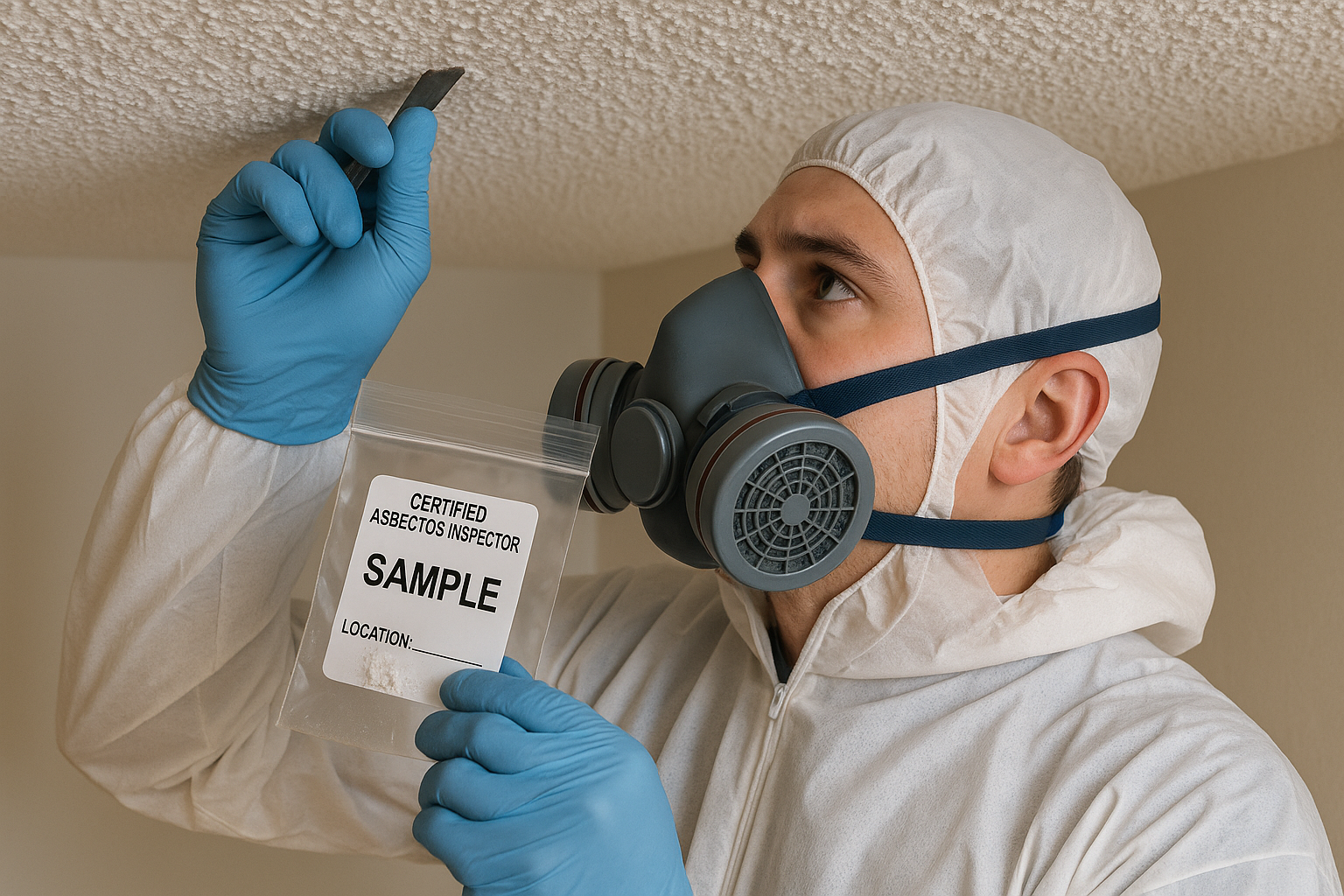
3) Get an asbestos test (recommended)
A common approach is to hire a professional for sampling. They can:
- reduce the chance of contamination,
- take samples from the right areas,
- document results properly.
If testing confirms asbestos, you can make a plan that matches your goals and budget.
If it tests positive: removal vs encapsulation
There are usually two practical options.
Option A: Encapsulation (leave it in place and seal it)
Encapsulation means applying a sealant or covering that locks fibers in place.
This can be a good choice when:
- the ceiling is in good condition,
- you want to reduce risk without a full removal,
- you plan to remodel later.
Option B: Professional asbestos abatement (remove it)
Removal is often chosen when:
- you want the texture gone permanently,
- the material is damaged or friable,
- you are doing a renovation that will disturb the ceiling anyway.
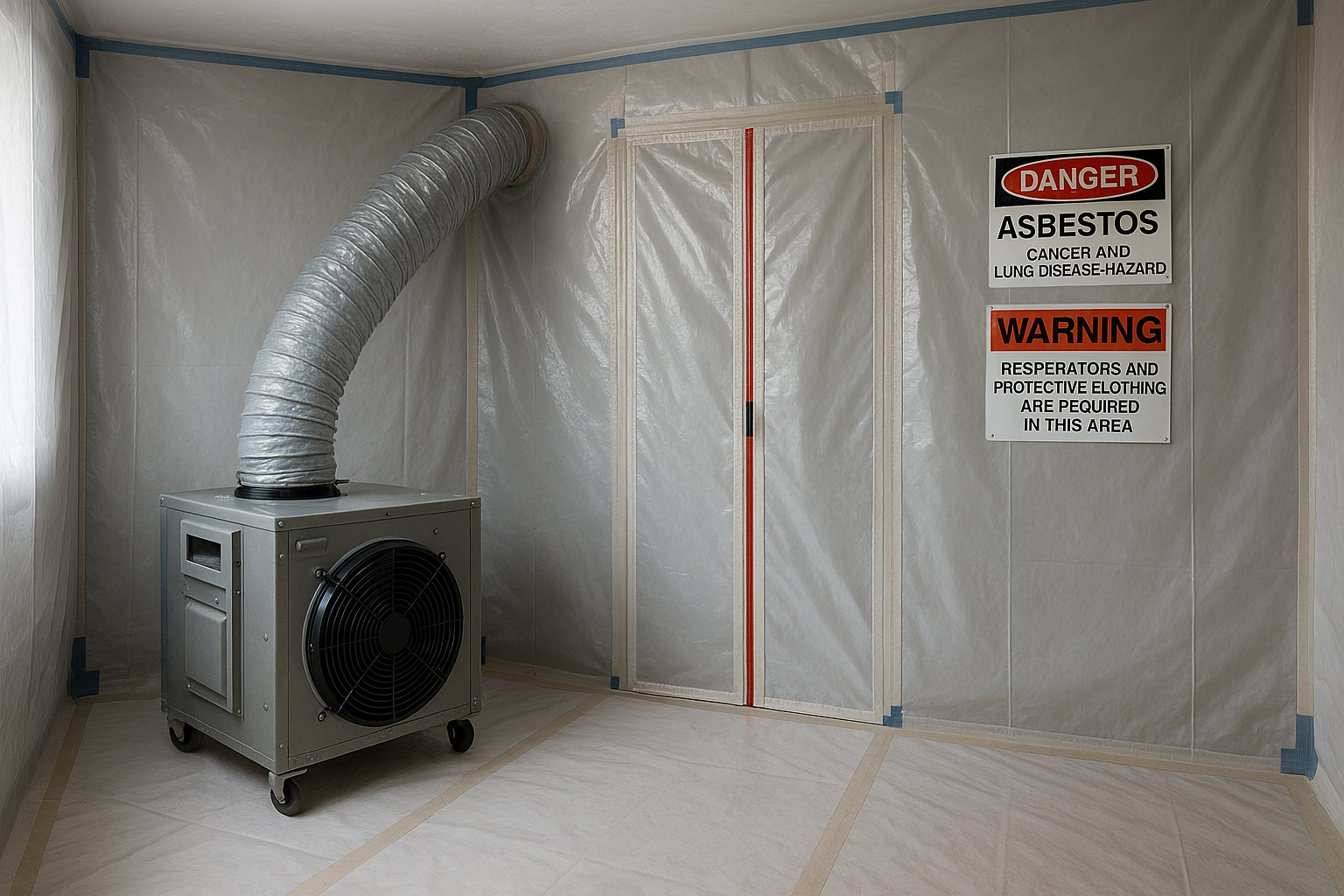
Professional abatement typically involves:
- isolating the work area (containment),
- negative air filtration,
- specialized PPE,
- careful wet methods and cleanup,
- proper waste handling.
Common questions
Is it safe to live with popcorn ceilings?
If the ceiling is intact and not disturbed, risk may be low. The problem is when it becomes damaged, starts flaking, or you plan to scrape or renovate.
What if I already scraped some?
Stop work. Do not keep scraping “to finish.” Close off the area if possible and talk to a professional about next steps, which may include testing and cleanup.
Does painting over popcorn ceiling make it safe?
Painting can sometimes act like a light encapsulation, but it is not a guaranteed fix and can complicate future removal. If you suspect asbestos, get guidance first.
When to call a professional
Call for help if:
- your home is older and you are planning renovation,
- the ceiling is damaged or crumbling,
- you want the ceiling removed,
- you want reliable testing and a clear plan.
If you are in our service area, Core Enviro can help you evaluate the situation, test where appropriate, and recommend the safest path forward.