
Black Mold vs. Other Mold Types: Which Are Actually Dangerous?
TL;DR
- Black mold (Stachybotrys chartarum) can produce mycotoxins that may cause serious health issues, especially with prolonged exposure.
- Not all black‑colored mold is “toxic black mold.” Many dark molds are common household molds with lower risk.
- Other mold types (Aspergillus, Penicillium, Cladosporium) can also cause allergic reactions, asthma flare‑ups, and respiratory irritation.
- The real danger depends on: mold species, your sensitivity, exposure level, and whether the mold is actively producing spores.
- If you see or smell mold, treat it as a potential problem. Proper identification and safe removal are key—especially if the area is large or you have health concerns.
Mold is a natural part of the environment, but when it grows indoors it can become a health hazard. The term “black mold” often stirs anxiety, but not every dark‑colored mold is the infamous “toxic black mold.” Understanding the differences helps you assess real risk and take the right steps.
What is “black mold” (Stachybotrys chartarum)?
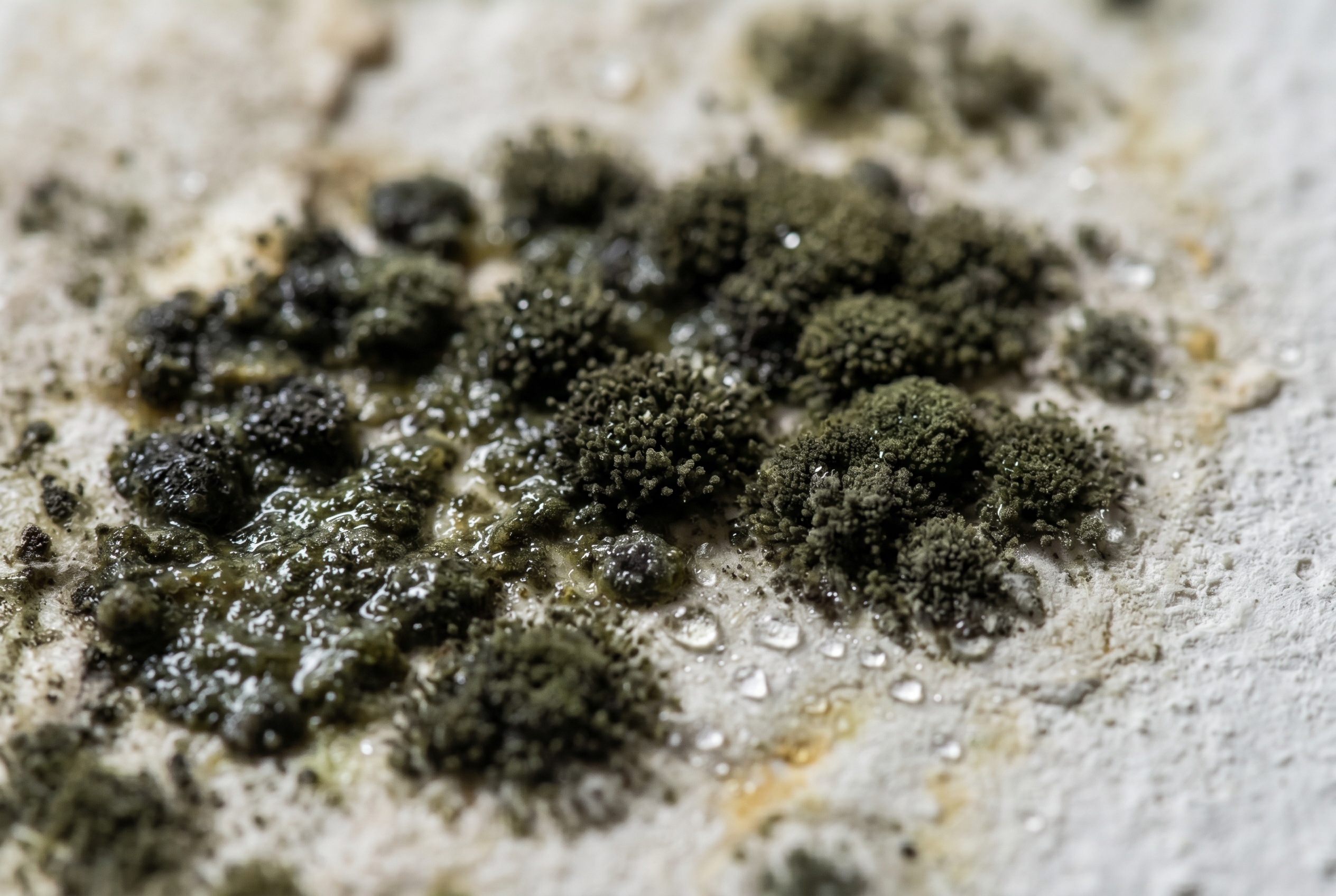
Stachybotrys chartarum is a greenish‑black mold that grows on materials with high cellulose content (drywall, wood, paper) when they stay wet for days. It is known for producing mycotoxins (compounds that can cause health effects in some people).
Key traits:
- Needs constant moisture (e.g., chronic leak, flooding)
- Often appears slimy when wet, powdery when dry
- Grows in patches rather than scattered spots
Why it gets attention: Mycotoxins can potentially lead to severe symptoms like chronic cough, fatigue, headaches, and in rare cases, neurological issues. However, not every Stachybotrys colony produces mycotoxins, and not everyone exposed will have a reaction.
Common household mold types (and their risks)
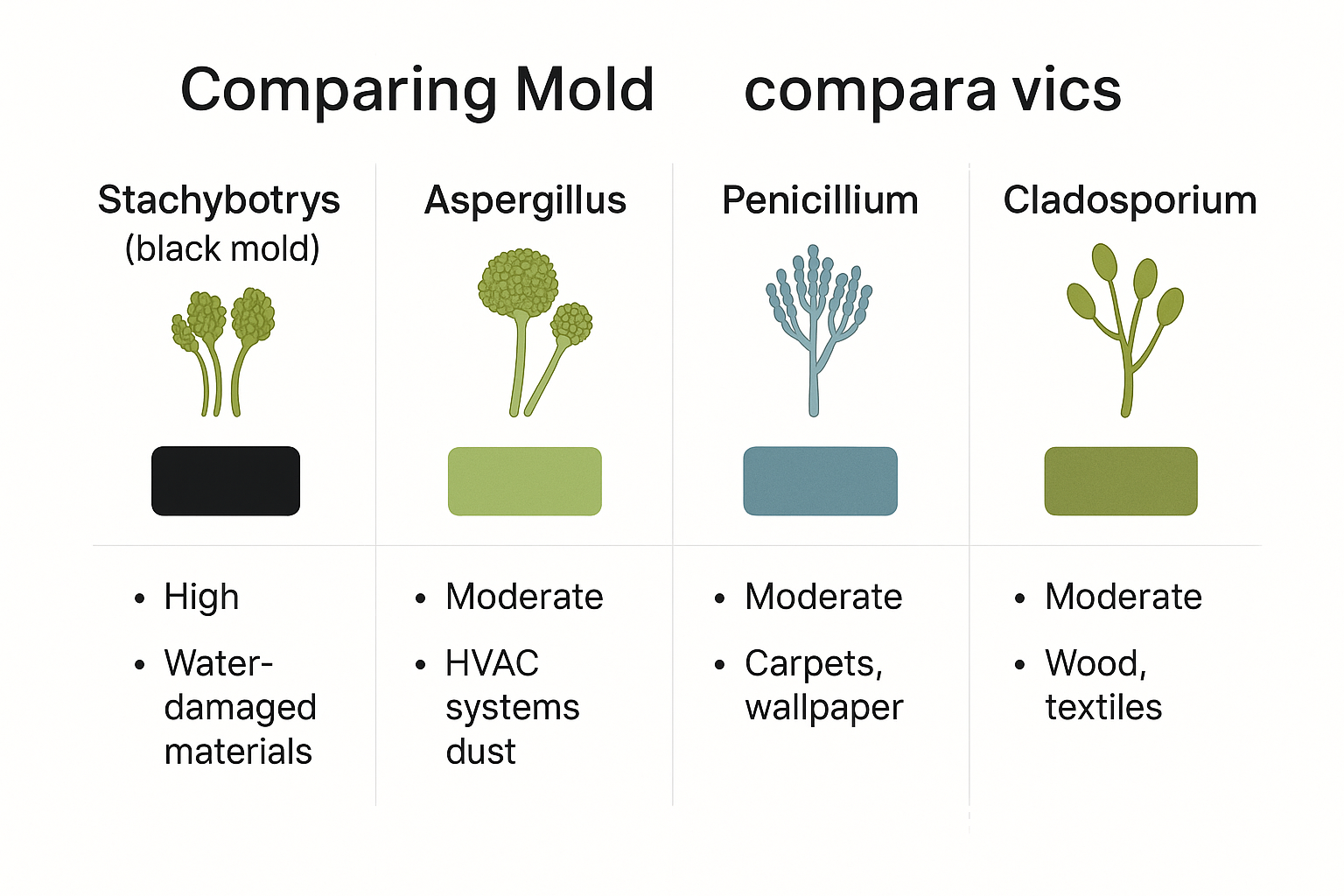
1. Aspergillus
- Appearance: Velvety texture, various colors (green, yellow, white, black)
- Where it grows: HVAC systems, dust, damp walls
- Risk level: Moderate. Some species can produce toxins (aflatoxins) and cause lung infections in immunocompromised individuals.
2. Penicillium
- Appearance: Blue‑green, velvety or powdery
- Where it grows: Water‑damaged materials, insulation, carpet
- Risk level: Moderate. Known allergen; can cause asthma and allergic sinusitis. Some species produce mycotoxins.
3. Cladosporium
- Appearance: Olive‑green to brown, suede‑like
- Where it grows: Fabrics, wood, painted surfaces, window frames
- Risk level: Low‑moderate. Common outdoor mold that can trigger allergies and asthma indoors.
4. Alternaria
- Appearance: Dark brown or gray, velvety
- Where it grows: Damp areas (showers, under sinks), plants, soil
- Risk level: Low‑moderate. A strong allergen linked to asthma symptoms.
5. Chaetomium
- Appearance: White initially, turns gray‑brown, cotton‑like
- Where it grows: Water‑damaged drywall, paper, insulation
- Risk level: Moderate. Can produce mycotoxins; often appears alongside Stachybotrys.
Health risks: which molds are actually dangerous?
The term “dangerous” depends on:
- Your sensitivity: People with allergies, asthma, or weakened immune systems are more vulnerable.
- Exposure duration: Long‑term exposure increases risk.
- Mold activity: Actively growing, spore‑producing mold is more likely to cause symptoms.
- Toxin production: Only certain molds produce mycotoxins, and even then they may not be released into the air.
Black mold (Stachybotrys) is considered higher risk because of its potential to produce mycotoxins, but many other molds can cause significant health issues through allergic reactions and respiratory irritation.
How to identify mold type (and when to test)
You cannot reliably identify mold species by sight alone. Color is a poor indicator: many molds appear black or dark.
Signs you might have a problem:
- Visible growth that returns after cleaning
- Musty, earthy odor
- Water damage history (leak, flood, condensation)
- Health symptoms that improve when you leave the area
When to consider professional testing:
- You suspect Stachybotrys or other toxigenic molds
- The affected area is larger than ~10 square feet
- Occupants have unexplained health issues
- You need documentation for insurance or legal purposes
Testing can identify species and spore counts, helping you decide between DIY cleanup and professional remediation.
Safe removal: what to do if you find mold
For small, isolated patches (≤10 sq. ft.)
- Wear an N‑95 mask, gloves, and eye protection
- Contain the area with plastic sheeting
- Use a HEPA vacuum and damp‑wipe with detergent
- Dry the area completely within 24–48 hours
- Discard porous materials (carpet, insulation) that cannot be thoroughly cleaned
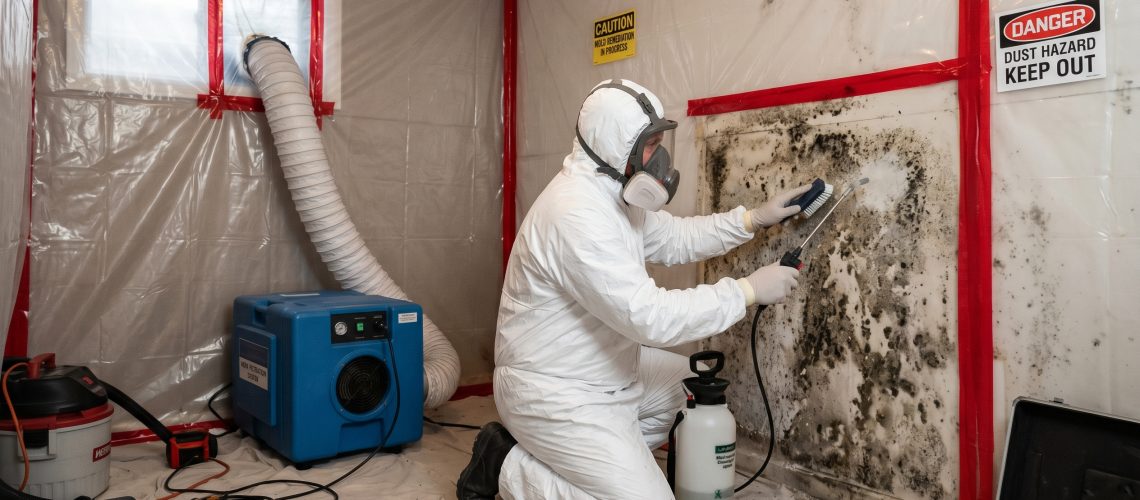
For larger areas or suspected toxigenic mold
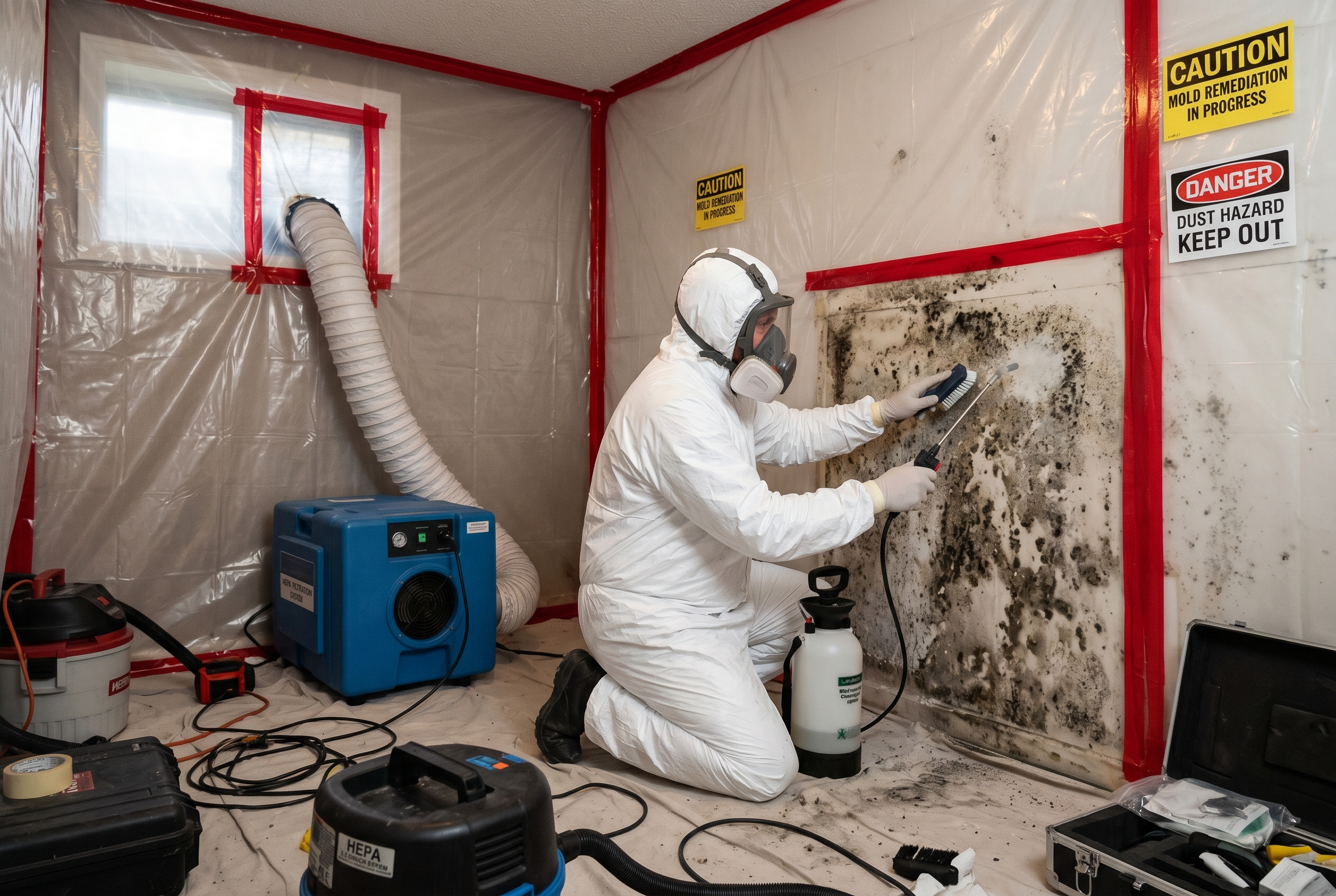
- Call a professional. They can:
– Set up containment to prevent cross‑contamination
– Use negative‑air machines with HEPA filtration
– Safely remove and dispose of affected materials
– Verify cleanup with post‑remediation testing
When to call a professional
Consider professional help if:
- The mold covers a large area (>10 sq. ft.)
- You suspect hidden mold (inside walls, under flooring)
- Occupants have ongoing health symptoms
- The mold is in your HVAC system
- You are unsure about the mold type or how to clean it safely
If you are in our service area, Core Enviro can assess the situation, test if needed, and provide a clear remediation plan.
Bottom line
- Not all black mold is Stachybotrys, and not all Stachybotrys is actively toxic.
- Many other mold types can cause allergic and respiratory problems.
- If you see or smell mold, address the moisture source first.
- When in doubt, get professional advice. It is better to over‑react slightly than to underestimate a mold problem that could affect your health and home.
Treat mold as a sign of excess moisture: fix the water problem, clean or remove the mold safely, and keep indoor humidity below 50% to prevent recurrence.