
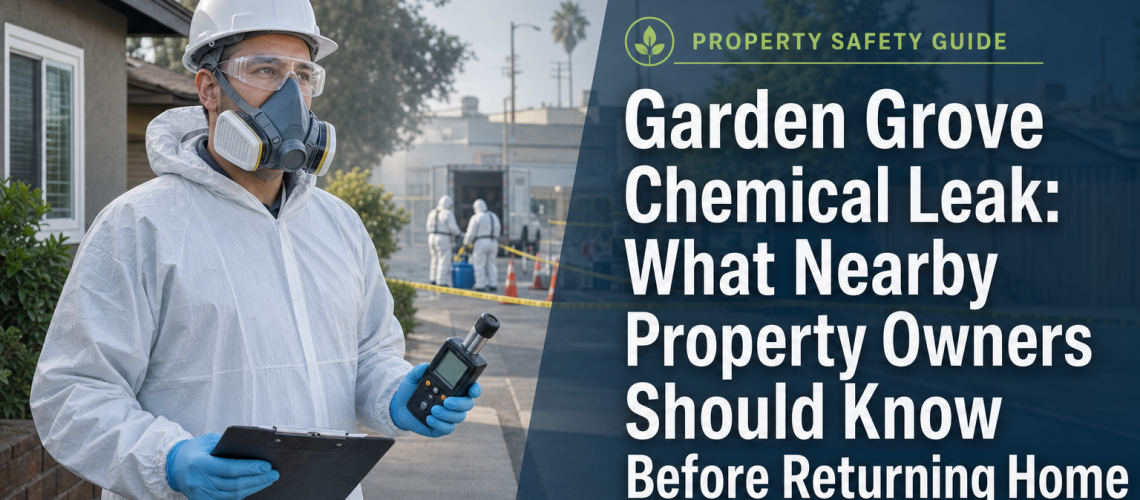
Garden Grove Chemical Leak: What Nearby Property Owners Should Know Before Returning Home
Quick answer
If your home, business, apartment building, school, or rental property is near the Garden Grove chemical leak, do not assume the property is safe just because it looks normal. Chemical incidents can affect air quality, HVAC systems, outdoor surfaces, soil, landscaping, patios, vehicles, stored items, and porous materials even when there is no visible damage.
Wait for official evacuation orders to be lifted before returning. Once you are allowed back, check for chemical odors, irritated eyes or throat, residue, dead vegetation, unusual staining, HVAC contamination concerns, and any outdoor items that may have been exposed. If anything seems off, get a professional environmental inspection before deep cleaning or reoccupying the property.
Core Environmental Solutions provides hazardous material cleanup, environmental inspection, containment, and property remediation services for homes and businesses across Southern California. If your property may have been affected by the Garden Grove hazmat situation, call (888) 994-2673 before attempting cleanup yourself.
What happened in Garden Grove?
In May 2026, emergency officials responded to a hazardous materials incident at an aerospace facility near 12100 Western Avenue in Garden Grove, California. According to public incident updates, the situation involved a compromised tank containing methyl methacrylate, a chemical used in plastics, resins, and manufacturing.
Reports from emergency agencies described concerns about vapor release, heat buildup, pressure, spill risk, fire risk, and possible explosion risk. Evacuation orders affected parts of Garden Grove and surrounding Orange County communities, with shelters opened for residents who had to leave.
The most important point for nearby property owners is this: a chemical leak is not only an outdoor emergency. Depending on wind, distance, exposure time, building ventilation, runoff, and whether liquid material was released, a hazmat incident can create property-level cleanup concerns after the immediate emergency is over.
This article is not a substitute for official instructions. Follow Orange County Fire Authority, CAL FIRE, Garden Grove police, Orange County Health Care Agency, and other emergency officials first. Use this guide to understand what may need inspection or cleanup after you are allowed to return.
Why nearby properties may need cleanup after a chemical leak
Many residents search for “Garden Grove chemical leak” because they want to know whether they can go home. Property owners and managers should ask a second question too:
What did the leak leave behind, and what did it affect?
After a chemical incident, cleanup may be needed because:
- Vapors can enter buildings through open windows, attic vents, wall gaps, exhaust fans, doors, garage openings, and HVAC intakes.
- Chemical odors can cling to porous materials, especially fabric, carpet, upholstered furniture, stored boxes, insulation, and unfinished wood.
- Outdoor surfaces may collect residue from vapor condensation, firefighting water, runoff, dust, or settled contamination.
- Landscaping, soil, playground surfaces, patios, walkways, and exterior furniture may be exposed before anyone notices visible damage.
- HVAC filters and ductwork may capture airborne contaminants and then redistribute odor or residue after the system is turned back on.
- Businesses may need documentation before reopening, especially if customers, employees, inventory, food storage, childcare areas, or medical spaces are involved.
- Rental property owners may need to show that reasonable inspection and cleanup steps were taken before tenants return.
Chemical cleanup is not the same as ordinary janitorial cleaning. The right process depends on the chemical, the exposure route, the affected materials, and whether the contamination is vapor-only, surface-level, or connected to liquid runoff.
What is methyl methacrylate?
Methyl methacrylate, often abbreviated as MMA, is a colorless, flammable liquid used to make acrylic plastics, resins, coatings, adhesives, and other manufactured materials. It has a sharp or fruity odor and can produce vapors that irritate the body when inhaled at high enough levels.
According to federal safety references, methyl methacrylate can irritate the eyes, skin, nose, throat, and lungs. Exposure may cause symptoms such as burning eyes, sore throat, coughing, dizziness, headache, or breathing discomfort. It is also flammable, which is why emergency responders treat vapor release and overheating tanks seriously.
For property owners, the practical issue is simple: if a chemical can become airborne, enter structures, settle onto surfaces, or move with water, then nearby buildings may need inspection before people return to normal use.
Is it safe to go back before cleanup?
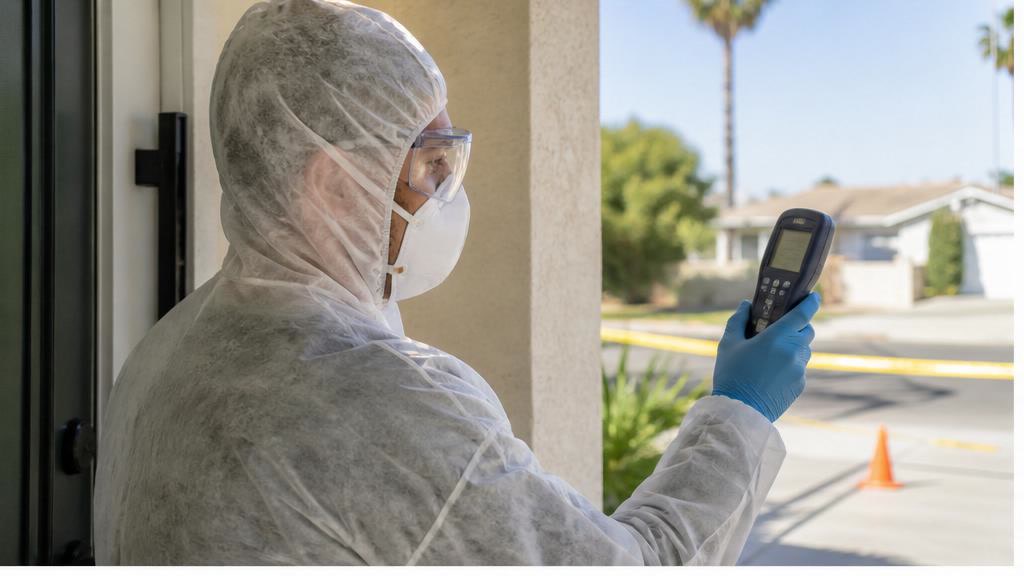
No. Do not return before officials say it is safe.
If an evacuation order is active, the area is legally closed because officials believe there is an immediate threat to life. Returning early can expose you to vapors, unstable conditions, emergency vehicle traffic, fire or explosion risk, and unknown contamination. Even a quick trip to grab belongings is not worth it unless emergency officials specifically allow it.
Once evacuation orders are lifted, that usually means the immediate life-safety threat has passed. It does not always mean every property has been fully inspected, cleaned, deodorized, or cleared for sensitive occupants.
Before fully reoccupying, take extra caution if:
- You smell a chemical, solvent-like, acrylic, sharp, or fruity odor inside the building.
- Your eyes, nose, throat, lungs, or skin feel irritated after entering.
- Children, older adults, pregnant people, pets, or anyone with asthma, COPD, immune concerns, or chemical sensitivity will be returning.
- The HVAC system was running during the incident.
- Windows, doors, attic vents, garage doors, or crawlspace vents were open.
- Outdoor furniture, toys, garden beds, vehicles, tools, or stored items were exposed.
- There was visible residue, staining, liquid, foam, firefighting runoff, or unusual dust.
- Your property is close to the incident site or inside/near an evacuation zone.
If any of these apply, schedule an environmental inspection before deep cleaning, replacing filters, turning on HVAC, or moving people back in for long periods.
What parts of a property are usually affected?
Chemical incidents can affect different areas depending on the source, wind direction, weather, terrain, building condition, and emergency response activity. These are the areas property owners should check first.
1. Indoor air
Indoor air is often the first concern after a vapor release. Vapors can enter through small openings and linger in poorly ventilated spaces. A building may smell normal at the front door but have stronger odor in the garage, attic, crawlspace, closets, or rooms near vents.
Watch for:
- Chemical or solvent-like odor
- Burning eyes or throat
- Headache, dizziness, nausea, coughing, or chest tightness after entry
- Odor that gets stronger when HVAC turns on
- Odor trapped in closed rooms, closets, garages, or storage areas
Do not rely on smell alone. Some people smell chemicals at very low levels, while others may not notice them. If symptoms occur or the property is near the incident area, testing and professional evaluation are the safer route.
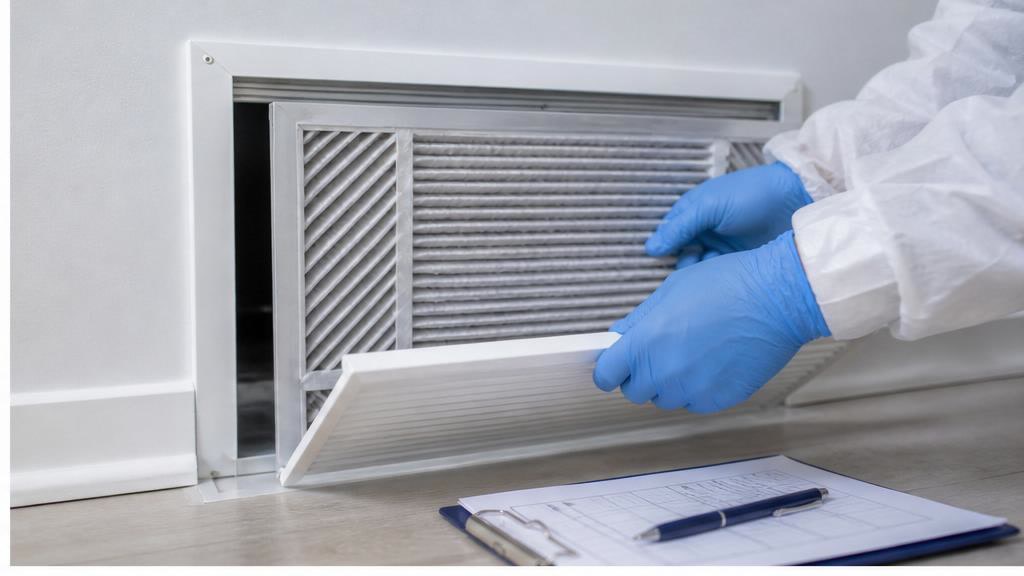
2. HVAC systems and filters
HVAC systems can pull outdoor air, dust, and vapors into a building. Even if the system does not directly bring in large amounts of outside air, pressure changes and leaky ductwork can move contaminated air through the structure.
Potentially affected components include:
- Return air filters
- Supply registers
- Duct interiors
- Air handlers
- Attic ductwork
- Wall cavities near vents
- Commercial rooftop units
- Bathroom, kitchen, and garage exhaust systems
Do not simply turn the system on “to air it out.” If the system captured contamination, running it may spread odor or residue. Replace filters only when it is safe to enter, and consider professional HVAC inspection if the property was inside the evacuation zone or has lingering odor.
3. Carpets, curtains, upholstery, and clothing
Porous materials can absorb odors and airborne contaminants. That does not automatically mean everything must be thrown away, but it does mean regular surface wiping may not solve the problem.
Common problem materials include:
- Carpet and carpet padding
- Curtains and fabric blinds
- Upholstered furniture
- Mattresses and bedding
- Clothing left near open windows or vents
- Stored cardboard boxes
- Soft toys and pet bedding
Some items can be cleaned. Others may need disposal if odor persists, if contamination is suspected, or if the item is used by children, pets, or medically vulnerable occupants.
4. Exterior walls, windows, patios, and walkways
Outdoor surfaces can collect settled particles, residue, firefighting water, or wind-driven contaminants. Smooth, nonporous materials are usually easier to clean than porous materials.
Inspect:
- Window glass, frames, and screens
- Exterior doors and thresholds
- Patios, balconies, decks, and walkways
- Outdoor furniture
- Play equipment
- Trash bins and storage containers
- Garage doors and driveway areas
- Exterior HVAC equipment
Avoid pressure washing unknown contamination into storm drains, soil, or neighboring properties. A professional cleanup crew can determine whether containment, collection, or special disposal is needed.
5. Soil, gardens, landscaping, and drainage areas
Soil and landscaping matter because liquids, runoff, and settled contamination can collect in low spots. If firefighting water, rainwater, or chemical residue moved across the property, it may concentrate near drains, curb lines, planter beds, grass, or bare soil.
Check:
- Garden beds and edible plants
- Grass near streets, curbs, and drains
- Low areas where water pooled
- Soil near downspouts
- Planters and raised beds
- Artificial turf
- Play areas and pet areas
Do not eat fruits, vegetables, herbs, or edible plants that may have been exposed until official guidance or testing confirms they are safe. Keep children and pets away from soil or outdoor surfaces that smell unusual or show residue.
6. Garages, workshops, and stored contents
Garages are vulnerable because they often have gaps, vents, thin doors, and stored porous contents. They may also contain chemicals, paints, solvents, fuels, cleaning products, and tools that can complicate cleanup.
Inspect:
- Stored boxes
- Tools and workbenches
- Garage refrigerators or freezers
- Paints, solvents, pool chemicals, and pesticides
- Sports equipment
- Vehicles and car interiors
- Laundry areas
- Water heater closets
If your garage smells stronger than the rest of the house, do not ignore it. Garages can leak air into living spaces and affect indoor air quality.
7. Businesses, inventory, and customer-facing spaces
Commercial properties may have higher cleanup requirements because employees, customers, tenants, patients, or students may be exposed. Businesses may also have inventory, equipment, food, documents, or regulated areas that require special handling.
Examples include:
- Restaurants and food storage areas
- Medical and dental offices
- Daycare and school facilities
- Retail stores with fabric, paper, or packaged inventory
- Warehouses
- Offices with shared HVAC
- Apartments and multi-unit buildings
- Industrial neighbors with their own chemical storage
If your business is near the Garden Grove hazmat incident, document conditions before reopening. Photos, odor notes, HVAC status, filter changes, inspection results, and cleanup invoices may matter for insurance, landlord-tenant issues, or claims.
Signs your property may need professional chemical cleanup
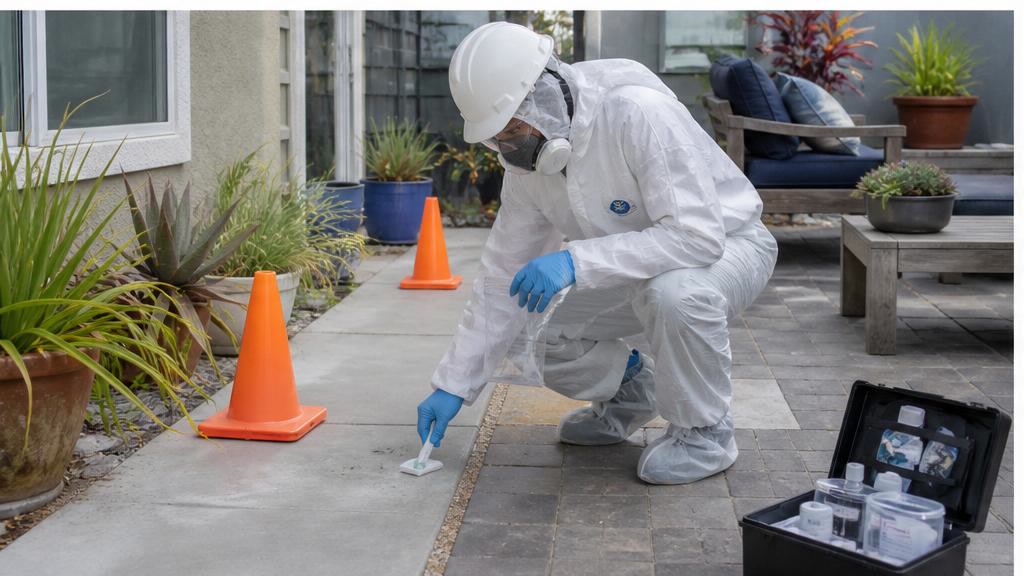
Call an environmental cleanup professional if you notice:
- Chemical odor that does not go away after official reentry and normal ventilation
- Symptoms that appear when entering the property and improve when leaving
- Residue, staining, oily film, powder, or unknown liquid
- Dead or damaged plants in a pattern that suggests exposure
- Contaminated runoff near drains, soil, patios, or garages
- HVAC odor after turning on air conditioning or heat
- Exposed soft goods that still smell after laundering
- Children or pets reacting strongly after returning
- Business inventory that may have absorbed odor or contamination
- Any uncertainty about whether cleanup waste can go in normal trash
The point is not to panic. The point is to avoid spreading contamination by cleaning the wrong way.
What not to do after returning
Some cleanup mistakes can make a chemical exposure problem worse.
Do not:
- Return before evacuation orders are lifted.
- Use a household vacuum on unknown residue.
- Pressure wash suspected contamination into storm drains.
- Run HVAC immediately if the system may have pulled in vapors.
- Mix cleaning chemicals, especially bleach, ammonia, acids, solvents, or degreasers.
- Touch unknown liquid or residue without proper PPE.
- Let children or pets play on exposed soil, patios, or outdoor furniture.
- Throw contaminated materials into regular trash without checking disposal requirements.
- Assume odor means safe just because it is “only a smell.”
- Assume no odor means no issue if the property was close to the incident.
If you are not sure what the residue is, treat it as hazardous until identified.
What a professional inspection should include
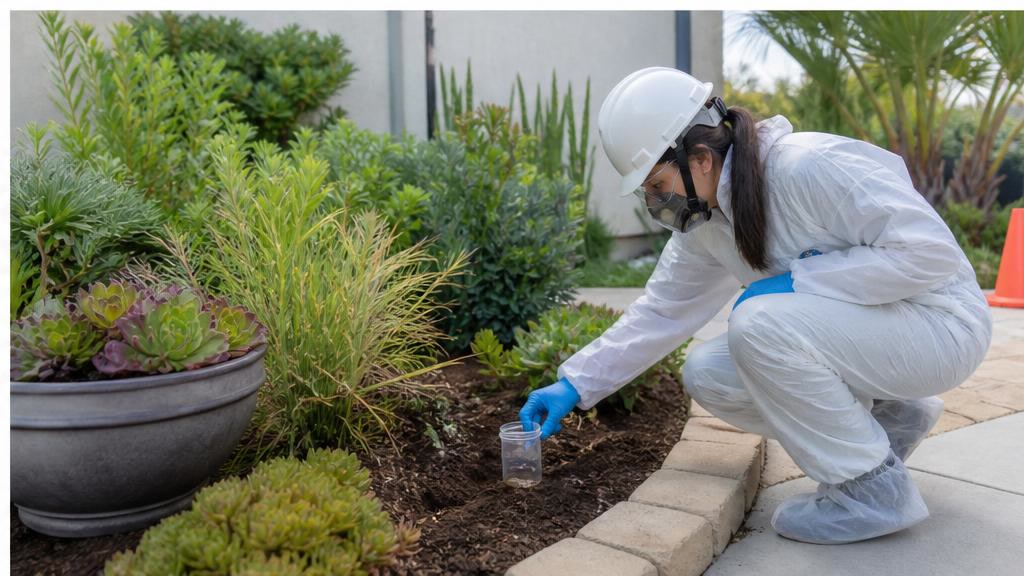
A proper post-incident environmental inspection should be specific to the property. It should not be a quick walk-through and a guess.
Depending on the situation, a professional may evaluate:
- Distance from the incident area
- Whether the property was inside an evacuation zone
- Wind direction and likely exposure path
- Odor conditions indoors and outdoors
- HVAC status during the incident
- Filter condition and duct concerns
- Porous material exposure
- Exterior surface conditions
- Soil, garden, or runoff concerns
- Occupant symptoms or sensitivity
- Need for air sampling, surface sampling, or lab analysis
- Cleanup scope and disposal requirements
For some properties, a targeted cleaning and filter replacement may be enough. For others, containment, HEPA filtration, odor control, removal of contaminated porous materials, controlled washing, or documented hazardous waste handling may be necessary.
Does homeowners insurance cover chemical leak cleanup?
Coverage depends on the policy, the cause of loss, the type of contamination, and whether the property was directly affected. Some policies may exclude pollution or hazardous substances. Others may cover certain cleanup, temporary relocation, contents, or loss-of-use expenses depending on the circumstances.
Property owners should:
- Photograph affected areas before cleaning.
- Save evacuation notices and official updates.
- Keep receipts for lodging, filters, cleaning, inspections, and replacement items.
- Document odors, symptoms, and dates.
- Ask the insurance carrier about pollution, hazardous material, civil authority, and loss-of-use coverage.
- Avoid discarding potentially affected contents before documentation unless safety requires removal.
For businesses, ask about business interruption, extra expense, contamination exclusions, tenant improvements, inventory loss, and civil authority coverage.
Can landlords or property managers let tenants back in right away?
Landlords and property managers should follow official reentry guidance first, then consider the actual condition of the property. If tenants report chemical odor, respiratory irritation, HVAC odor, visible residue, or concerns about children and pets, those concerns should be documented and evaluated.
For multi-unit properties, one unit may be affected differently than another. Upper floors, garage-adjacent units, units near exterior vents, and units with open windows may require closer inspection.
A reasonable return-to-occupancy process may include:
- Confirming the evacuation order is lifted
- Inspecting exterior and interior conditions
- Checking HVAC systems and filters
- Documenting tenant reports
- Ventilating only when outdoor air is cleared by officials
- Using qualified cleanup professionals when contamination is suspected
- Keeping written records of inspection and cleanup steps
When should you call Core Environmental Solutions?
Call Core Environmental Solutions if your property was near the Garden Grove chemical leak and you need help figuring out whether cleanup is needed.
Core Environmental Solutions can help with:
- Hazmat property inspection
- Chemical odor investigation
- Environmental cleanup planning
- HVAC contamination concerns
- Surface cleaning and decontamination guidance
- Containment and HEPA filtration
- Mold, lead, asbestos, and biohazard cleanup if related issues are discovered
- Documentation for property owners, managers, and businesses
Nearby homeowners, tenants, landlords, and business owners may not know what they need yet. That is normal after a hazmat incident. The safest first step is a professional inspection, not guesswork.
Call Core Environmental Solutions at (888) 994-2673 or visit https://coreenviro.com to request help with Garden Grove chemical leak cleanup or Orange County hazmat property concerns.
FAQ: Garden Grove chemical leak and property cleanup
What should I do first when I return home after the Garden Grove chemical leak?
Follow official reentry instructions, then check for chemical odor, irritation symptoms, visible residue, damaged plants, HVAC odor, and outdoor contamination. If anything seems unusual, leave the area and call a professional environmental cleanup company before deep cleaning.
Can I clean chemical residue myself?
Do not clean unknown chemical residue yourself. Household cleaners, pressure washing, and regular vacuums can spread contamination or create new chemical reactions. Get the material identified first.
Should I replace my HVAC filter after the chemical leak?
If your property was near the incident, filter replacement may be appropriate after officials allow reentry. If there is odor from vents or the system was running during the incident, have the HVAC system inspected before operating it normally.
Is chemical smell inside my home dangerous?
A chemical smell does not automatically mean a dangerous level is present, but it is a warning sign that should be taken seriously after a hazmat incident. Leave the area if you feel symptoms and call for professional evaluation.
Are outdoor toys, patio furniture, and garden vegetables safe?
Do not assume they are safe if they were exposed. Hard surfaces may be cleanable, but porous toys, cushions, soil, and edible plants may need special evaluation. Keep children and pets away until the area is cleared.
Can pets be affected by chemical vapors or residue?
Yes. Pets are closer to floors, soil, patios, and low-lying areas, and they may lick paws or surfaces. If your pet shows coughing, eye irritation, vomiting, weakness, unusual behavior, or breathing issues after returning, leave the area and contact a veterinarian.
What if my property looks fine?
Many chemical exposure problems are not visible. Odor, HVAC behavior, occupant symptoms, and exposure history matter. If the property was close to the incident or inside an evacuation area, an inspection is a smart step even when there is no visible damage.
Who should I call for Garden Grove chemical leak cleanup?
For emergency danger, call 911 or follow official emergency hotlines. For property inspection, environmental cleanup, chemical odor concerns, or post-incident remediation, contact Core Environmental Solutions at (888) 994-2673.
Sources and references
- CAL FIRE Garden Grove HAZMAT incident page: https://www.fire.ca.gov/incidents/2026/5/21/garden-grove-hazmat
- California Governor’s Office emergency proclamation, May 23, 2026: https://www.gov.ca.gov/2026/05/23/governor-newsom-proclaims-state-of-emergency-in-orange-county-in-response-to-ongoing-chemical-incident-in-garden-grove-makes-additional-shelter-sites-available/
- Associated Press coverage of the Garden Grove methyl methacrylate incident: https://apnews.com/article/california-chemical-leak-evacuation-3689e6be99e12811d54517179b5c5de7
- CDC/NIOSH Pocket Guide to Chemical Hazards: Methyl methacrylate: https://www.cdc.gov/niosh/npg/npgd0426.html
- OSHA Chemical Data: Methyl methacrylate: https://www.osha.gov/chemicaldata/712